
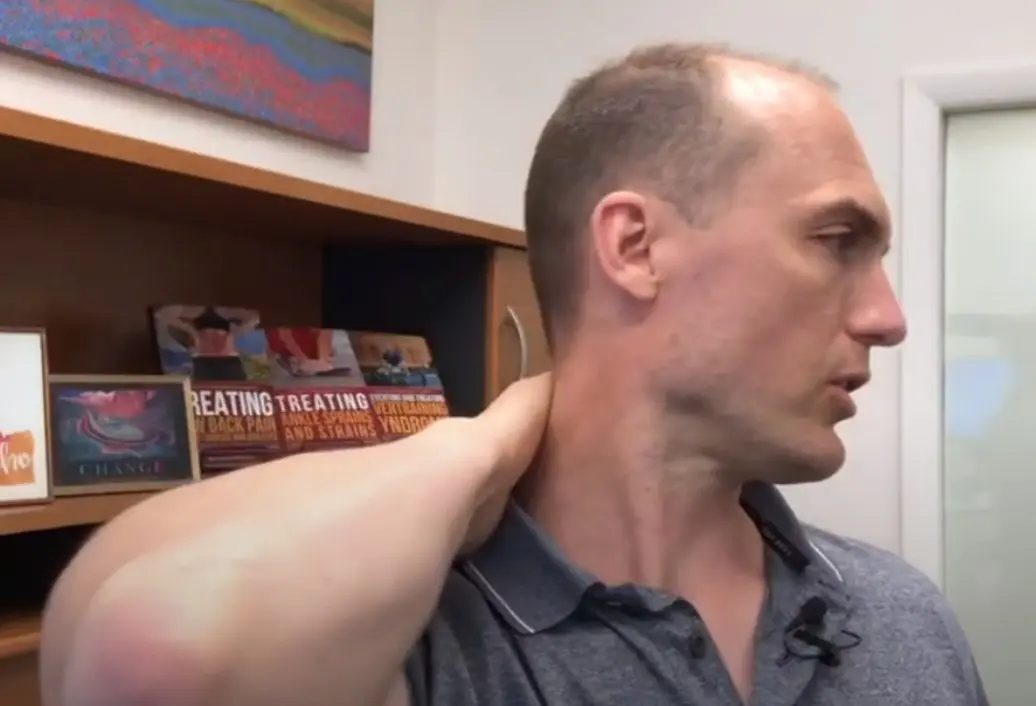
Key Takeaways:
- Head tilt can be a significant contributing factor to chronic headaches and related discomfort.
- Individuals can find a natural and effective method for alleviating headache symptoms by consciously adjusting their posture.
- Incorporating exercises and ergonomic adjustments into daily routines promotes long-term relief and well-being.
- Simple lifestyle changes and mindfulness of posture in daily activities can significantly improve quality of life and mitigate headache frequency.
Table of Contents:
- Introduction
- Understanding Head Tilt and Its Impact
- The Connection Between Head Tilt and Headaches
- Strategies for Posture Correction
- Exercises for Better Alignment
- Ergonomics and Daily Routines
- Lifestyle Adjustments for Lasting Relief
- Conclusion
Introduction
In today’s fast-paced world, many individuals are glued to screens, whether smartphones, tablets, or computers. This modern dependency often leads to a phenomenon known as head tilt, where the head leans forward due to prolonged focus on digital devices. While this might seem harmless initially, it can unknowingly contribute to headaches and ongoing discomfort. Rather than opting for medications that offer only temporary relief, exploring posture adjustments can provide a more sustainable and holistic solution. Let us delve into how head tilt affects headaches and explore the most effective ways to correct posture for healthier living.
Understanding Head Tilt and Its Impact
Head tilt refers to a forward position of the head relative to the shoulders, typically caused by extensive use of handheld devices or improper setup of workstations. This seemingly innocuous misalignment puts unnecessary strain on the muscles and tendons surrounding the neck and shoulders, often leading to notable tension. The head’s weight, naturally around 10-12 pounds, increases dramatically when tilted forward, exerting undue pressure on the cervical spine. Over time, this strain can set the stage for persistent headaches and contribute to other muscular imbalances. Recognizing head tilt as a central element in poor posture is the first step toward finding effective headache relief and enhancing overall body mechanics.
The Connection Between Head Tilt and Headaches
When the head is positioned forward or tilted, it disrupts the natural alignment of the cervical spine, leading to muscle fatigue and stress. This imbalance causes the neck and upper back muscles to compensate by working harder, which may result in tension headaches. These headaches stem from the stressing and tightening of neck muscles, commonly leading to pain that can radiate to the forehead or behind the eyes. The imbalance from head tilt can also exacerbate migraine symptoms by increasing nerve compression and blood flow restriction. Understanding this connection is vital for addressing the root cause rather than just treating the symptoms, paving the way for more effective management of headaches through posture improvement.
Strategies for Posture Correction
Correcting posture is an empowering journey involving self-awareness and consistent practice. Techniques for posture adjustment differ in approach but share the common goal of realigning the spine and alleviating undue pressure from deteriorating posture habits. One fundamental method is the chin tuck exercise, which helps maintain the head’s alignment over the spine. This is performed by gently pulling the head back to create a double chin and holding the position for a few seconds before relaxing. Another valuable method is the shoulder blade squeeze, which encourages the engagement of upper back muscles, thus promoting correct posture naturally. Simple actions like positioning oneself against a wall and performing arm movements assist in resetting and strengthening postural alignment, offering lasting relief without complex interventions.
Exercises for Better Alignment
Incorporating specific exercises into daily routines can significantly enhance musculoskeletal health and counteract head tilt. Neck stretches effectively relieve tension accumulated by extended periods of incorrect neck positioning. Gentle lateral stretches, where the head is tilted toward each shoulder while reached with the opposite arm, can ease tight muscles and restore flexibility. Core strengthening exercises are equally vital, providing a solid foundation for upright posture. Bridge poses activate the core muscles and strengthen the glutes and lower back, crucial for supporting the spine and correcting forward head posture. Combining flexibility exercises like the cat-cow stretch improves spinal alignment and mobility, laying the groundwork for optimized posture and reduced headache occurrence.
Ergonomics and Daily Routines
Applying ergonomics to everyday activities is essential in maintaining a healthy posture and mitigating the side effects of head tilt. Workstations should be set up so that computer monitors are at eye level, encouraging a neutral spine position that minimizes neck strain. Ensuring the keyboard and mouse are within easy reach promotes a natural arm position, helping keep the shoulders relaxed and back straight. Using supportive footwear also plays an invaluable role in reducing posture-related strains when standing or walking for long periods. Incorporating ergonomic principles enhances comfort and enables individuals to focus better, reducing the likelihood of reverting to poor postural habits over time.
Lifestyle Adjustments for Lasting Relief
Beyond dedicated exercises and ergonomic setups, adopting broader lifestyle changes can profoundly impact posture and headache management. Mindful movement practices, such as yoga and Pilates, increase body awareness and fortify core muscles that support good posture. These disciplines challenge the body’s natural strength and flexibility, encouraging a balanced and aligned spinal column. Regular breaks are also recommended—interrupting long stretches of sedentary activities to move around and relieve muscle tension. Awareness of sleep positions is another crucial factor for spine health. Sleeping with a pillow that maintains the neck’s natural curve can prevent waking up with stiffness and reduce vulnerability to headaches. Ensuring proper hydration and a diet rich in essential nutrients supports muscle function and resilience, further aiding the body’s ability to sustain adequate posture.
Conclusion
Chronic headaches can often be traced back to the subtle yet impactful issue of head tilt. Through mindful posture adjustments and thoughtfully incorporating changes into daily routines, individuals can achieve meaningful relief from headaches and prevent their recurrence. Embracing these practices allows people to take control of their well-being, fostering a sense of empowerment and improving their quality of life. By maintaining consistent efforts to enhance posture and alignment, the pursuit of lasting headache relief becomes not just a possibility but a tangible reality, leading to a healthier and more balanced lifestyle.
Also Read-Why Is Data Privacy and Protection Crucial in Modern Technology
